

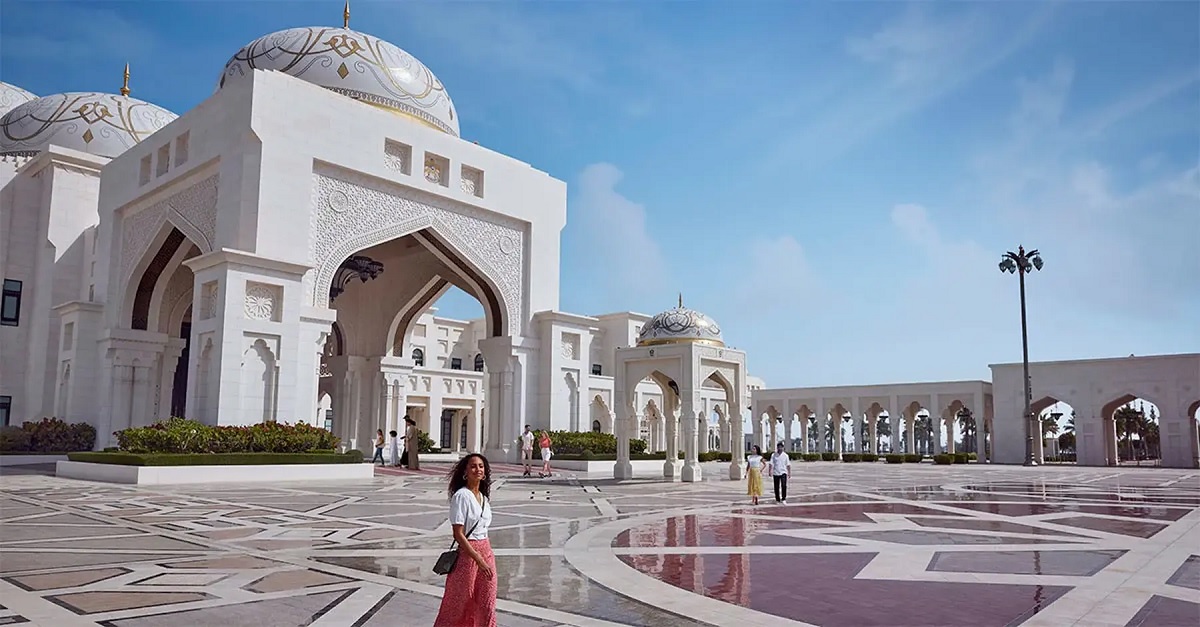
Abu Dhabi’s transformation into a cultural hub was no accident. Unlike most cities, it was carefully planned and funded by the government in the long term. While Dubai focused on tall buildings and shopping malls, Abu Dhabi concentrated on museums. This strategy is proving successful and has made it the best destination for art and culture in the Gulf region.
The Cultural District Was Built to Compete With the World’s Best
The Saadiyat Cultural District is not a scattered collection of buildings. It is a master plan meant to sit alongside the museum districts of Paris, London, and New York. It is anchored by the Louvre Abu Dhabi, and the Guggenheim Abu Dhabi and Zayed National Museum are yet to be a part of it. This is the single strongest reason for considering Abu Dhabi seriously as a destination for people who plan trips around art galleries and architecture rather than beaches or nightlife. Dubai has loads of flash, but it has nothing nearly resembling this type of coordinated cultural investment.
Louvre Abu Dhabi Holds its Own Weight
Many travelers visit Louvre Abu Dhabi thinking it’s simply a satellite of the Paris original, filled with extras. But the museum has its own collection, built from a real cross-cultural partnership, not a franchise agreement, and works on a “universal museum” concept, exploring the connections between cultures and history rather than focusing on one region or time. That’s before you even step inside the galleries to see the beautiful museum architecture, designed by Jean Nouvel, whose “rain of light” dome lights up the space with natural sunlight. The museum hit a million visitors within its first year in 2018 (Reuters), making it clear to the world that Abu Dhabi’s cultural investment was anything but a vanity project. It seems to be working.
Go Now, Before the Cluster is Finished
Here’s a practical argument for going sooner rather than later. As of now, the Cultural District is still a work in progress. The Guggenheim, designed by Frank Gehry, has yet to open. The Foster + Partners-designed Zayed National Museum, which is dedicated to the life of the country’s founder, is likewise still under construction. Once all three institutions are up and running, Saadiyat will attract the sort of crowds you get at major European or American museum quarters. There is a window as of now when you can stroll through Louvre Abu Dhabi without having to push through tour groups, but that window is closing.
Allocate at least a day to making your way through Saadiyat Island, with its series of museums, beaches, and promenades. Manarat Al Saadiyat is adjacent, featuring the usual mix of workshops and exhibitions, and serving as the site for the annual Abu Dhabi Art fair, which can also warrant plenty of additional time. It brings galleries and collectors from across the region, and is a good sampling of where Gulf contemporary art stands.
Heritage Sites Fill in the Rest of the Picture
Museums are half the story. Sheikh Zayed Grand Mosque remains the country’s most visited landmark, and the guided tours are free. Qasr Al Watan, the presidential palace, is also open to the public and walks visitors through Emirati governance and craftsmanship in a way that feels more substantial than a typical palace tour. Qasr al-Hosn, the oldest stone building in the city, has been turned into a museum tracing the emirate’s shift from pearl-diving economy to modern capital. None of these charge much, if anything, which matters if you’re trying to stretch a trip budget while still getting a real sense of the place.
For something less polished, Warehouse421 in Mina Zayed supports emerging UAE-based artists and feels closer to a working studio than a formal institution. The NYU Abu Dhabi Art Gallery runs a free curatorial program with real academic weight behind it. And if you’ve got music on your list, Berklee Abu Dhabi hosts open performances that are easy to slot into an evening.
The Logistics Work in Your Favor
Abu Dhabi is small enough that you can visit several of these sites on a short trip without feeling overwhelmed. And, with Etihad Airways’ increasingly popular stopover program, which encourages long-haul flyers to tack on a few nights in the city, it’s easier than ever to visit its top attractions. An added bonus: Louvre Abu Dhabi is open for free access one day per month for residents, and consulting the programming at the city’s many museums and galleries before booking a ticket can be a smart way to decide what to plan an entire trip around. A 48-hour visit is enough to tour all the major museums and at least one heritage site if you plan the order right.
Abu Dhabi has been quietly mounting a challenge to Doha and outpacing Dubai on cultural depth. The buildings aren’t done, the collections aren’t complete, and the city hasn’t even completely adapted to its own overhaul yet. That’s exactly why you should make the trip now.

Comments are closed.