

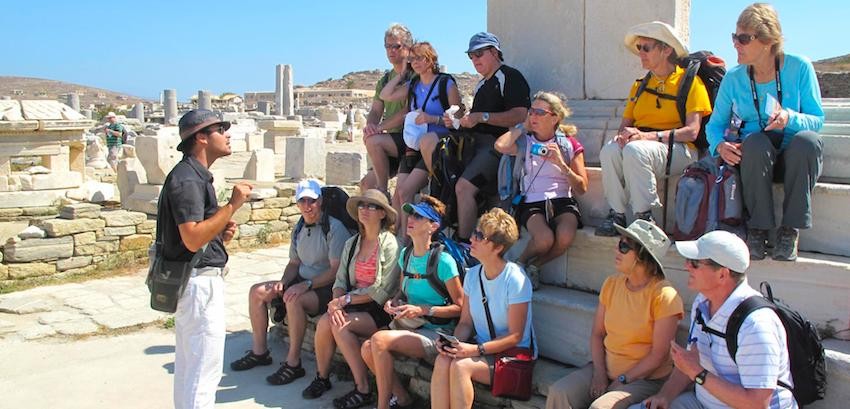
In today’s travel landscape, being a tour guide is no longer about reciting facts or pointing out landmarks. The modern traveler seeks more than information — they crave emotion, connection, and meaning. This shift has given rise to a new breed of professionals who blend storytelling, psychology, and sensory engagement into their guided experiences. These are not just tour guides; they are narrative architects, curating journeys that stay with travelers long after the trip ends.
The Evolution of the Tour Guide: From Informer to Storyteller
For decades, the role of a tour guide was primarily functional — explaining historical facts, ensuring group safety, and keeping schedules on track. While those duties still matter, today’s travelers demand more personalized, emotionally resonant journeys. The rise of digital guides and self-guided apps means that information is now abundant and free. What’s scarce is interpretation — the ability to make facts meaningful.
Modern tour guides must therefore evolve from being information dispensers to storytelling curators, weaving history, culture, and personal narrative into a cohesive experience. This transformation is reshaping the tourism industry, turning traditional tours into immersive, theatrical performances.
The Power of Experiential Storytelling in Travel
1. Crafting a Sense of Place
Experiential storytelling allows guides to connect travelers emotionally to a destination. Instead of stating that a cathedral was built in 1420, a skilled guide might describe the day the first stone was laid, the hopes of the masons, and the songs echoing through the scaffolding. This approach transforms a structure into a living character in the traveler’s imagination.
Great guides employ sensory triggers — sights, sounds, even smells — to deepen the traveler’s immersion. A story about spice merchants in Istanbul’s Grand Bazaar comes alive when the guide lets the group inhale a handful of saffron or cinnamon.
2. Integrating Human Stories
Facts alone don’t linger — people do. Exceptional tour guides focus on the human narratives behind historical events. Instead of listing dates and rulers, they talk about lovers separated by war, artists struggling under censorship, or revolutionaries who dreamed of freedom.
By focusing on personal stories, guides allow travelers to experience empathy, a feeling that transcends borders and time. This approach transforms sightseeing into emotional connection, the essence of meaningful travel.
3. Balancing Performance and Authenticity
Storytelling in tour guiding is a performance, but it must never feel performed. Travelers quickly detect insincerity. The best guides use authentic passion to fuel their storytelling. Their energy is contagious, their emotions genuine.
They balance theatrical delivery with grounded presence — speaking from the heart, not the script. This authenticity builds trust, allowing travelers to fully engage with the narrative journey.
The Psychology Behind a Great Guided Experience
1. Cognitive Anchoring
A well-crafted story helps travelers retain more information. When facts are embedded in narrative, they attach to emotional anchors in the brain. For example, a traveler might forget a castle’s construction date but remember the legend of the ghostly queen who still walks its halls.
This is why storytelling is not just artistic — it’s neurological. The more emotional the context, the stronger the memory it creates.
2. Social Resonance
Humans are social learners. In guided tours, shared emotional experiences strengthen group cohesion. A well-delivered story makes strangers laugh together, gasp together, or even cry together — turning a group of tourists into a temporary community.
Guides who understand this dynamic use empathy as a tool, reading group energy and adjusting tone, pacing, or humor accordingly.
3. Curiosity and Flow
The most successful tours maintain a state of flow, where travelers are so engaged they lose track of time. This is achieved through curiosity loops — ending each story or stop with a question that pulls travelers into the next moment. Instead of simply explaining, guides lead audiences through an unfolding narrative, building anticipation and emotional rhythm.
Designing Tours with a Storytelling Framework
1. The Narrative Arc
Every memorable tour follows a story structure:
-
Beginning: Establish the setting and context
-
Conflict: Introduce tension, mystery, or a question
-
Climax: Deliver an emotional or revelatory moment
-
Resolution: Offer reflection or transformation
A walking tour through Rome, for example, might begin with ancient myths, peak with stories of empire and betrayal, and close with a modern reflection on resilience and legacy.
2. Layering Story Types
A tour should weave three types of stories simultaneously:
-
Macro stories: The grand historical narrative
-
Micro stories: Individual or local anecdotes
-
Meta stories: The guide’s own personal reflections
This layering keeps travelers engaged on multiple levels — intellectual, emotional, and personal.
3. Multi-Sensory Design
Great storytelling tours are multi-sensory. They don’t just show — they make travelers feel, smell, taste, and hear the essence of a place. A food tour might include music from the era of the dishes’ origins, or let guests touch ingredients as stories unfold.
By designing experiences that stimulate multiple senses, guides elevate memory retention and emotional impact.
Technology and the New Age of Interactive Guiding
While the human element remains irreplaceable, technology is enhancing storytelling tours in fascinating ways.
-
Augmented Reality (AR) allows travelers to visualize ancient ruins as they once stood.
-
Geo-triggered audio guides can play stories based on a traveler’s real-time location.
-
AI-enhanced tour planning helps guides tailor itineraries based on traveler interests, moods, or learning preferences.
Yet, even with these tools, the emotional intelligence of a human guide remains central. Technology can amplify stories — but it cannot feel them.
Sustainability Through Storytelling
In an age of overtourism, storytelling is also a tool for sustainability. By helping travelers emotionally connect to a culture or ecosystem, guides foster a sense of responsibility and respect.
When travelers understand why a coral reef matters, or how a local tradition survived colonial suppression, they become more conscious participants — not just observers. Storytelling transforms tourism into education and preservation.
Training the Next Generation of Storytelling Guides
Tomorrow’s tour guides will need training not only in history and geography but also in narrative design, psychology, and performance arts. Workshops on voice modulation, character portrayal, or even improvisation can help guides sharpen their storytelling skills.
More importantly, guides must be taught active listening — to sense what their audience feels and adapt accordingly. The future of guiding is not monologue; it’s dialogue.
The Future: Emotional Cartography
The next frontier of guiding will map not just physical routes but emotional landscapes. Imagine tours designed around feelings — journeys of wonder, nostalgia, or redemption. These experiences won’t just change how people see the world; they’ll change how they feel within it.
The best guides will be emotional cartographers, charting paths that traverse both geography and the human heart.
FAQs
1. What is experiential storytelling in tour guiding?
It’s the practice of transforming traditional tours into emotionally engaging experiences using narrative, sensory engagement, and human-centered storytelling.
2. How does storytelling improve traveler satisfaction?
Stories create emotional connections, making tours more memorable and meaningful compared to fact-based narration.
3. Can technology replace human tour guides?
No. While tools like AR and AI enhance experiences, only human guides can create emotional resonance through empathy and authenticity.
4. How can a tour guide develop storytelling skills?
By studying narrative structure, practicing voice modulation, using sensory details, and observing audience reactions.
5. What role does psychology play in guiding?
Understanding how people remember and react emotionally allows guides to design tours that leave deeper impressions.
6. Why is storytelling important for sustainable tourism?
It encourages travelers to appreciate and protect cultural and environmental heritage by fostering emotional connections.
7. What will the future of tour guiding look like?
The future will blend emotional storytelling with advanced technology, creating personalized, transformative travel experiences.

Comments are closed.