
The Evolution of Smart Hotels: How Technology is Redefining the Luxury Hospitality Experience

Introduction
The global hotel industry is witnessing an unprecedented transformation, led by the integration of intelligent technology into every facet of the guest experience. The term “smart hotels” now defines a new class of properties that fuse digital innovation with luxury hospitality. This evolution is not just about convenience—it’s about creating personalized, seamless, and sustainable guest journeys that redefine what modern travelers expect from their stay.
In this in-depth exploration, we’ll uncover how technology is reshaping the luxury hotel experience, focusing on automation, personalization, sustainability, and operational excellence—the four pillars driving the next generation of hospitality.
The Rise of Smart Hotels in the Luxury Segment
Luxury hotels are no longer competing solely on design or amenities—they’re competing on intelligent guest experiences. A smart hotel combines digital infrastructure, real-time data, and connected systems to deliver hyper-personalized stays.
Why the Shift Toward Smart Hospitality?
1. Evolving Guest Expectations: Today’s travelers seek instant gratification and personalized services. A seamless digital experience—from mobile check-in to AI concierges—is becoming the new standard.
2. Operational Efficiency: Automated systems optimize staffing, reduce human error, and streamline maintenance. The result is smoother service delivery and improved cost control.
3. Sustainability Goals: With increasing environmental awareness, smart hotels use energy management systems, occupancy sensors, and water optimization technologies to minimize their ecological footprint.
4. Competitive Differentiation: In an oversaturated market, embracing technology allows hotels to stand out through innovation, efficiency, and superior guest satisfaction.
Smart Room Technology: Redefining Guest Comfort
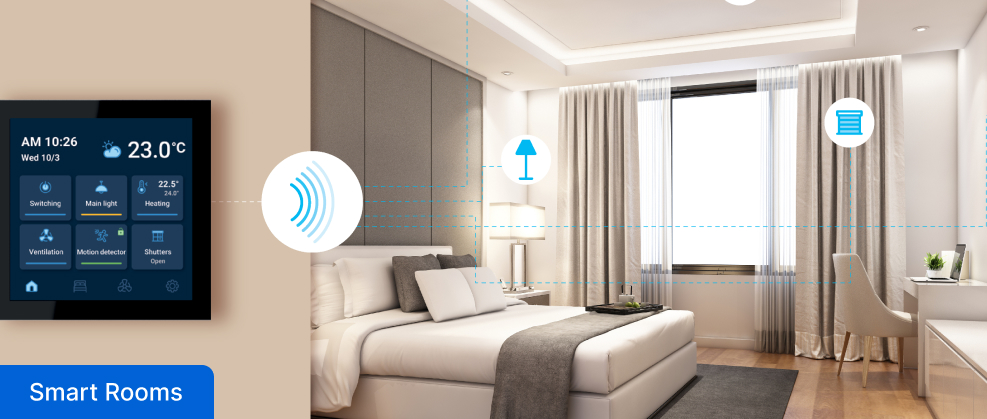
A smart hotel room is an ecosystem of connected devices that respond to guest behavior, preferences, and voice commands. These rooms adapt in real time, ensuring that comfort and convenience are always at the forefront.
IoT-Enabled Automation
The Internet of Things (IoT) allows various devices within the room to communicate seamlessly. Guests can use mobile apps or voice assistants to control temperature, lighting, blinds, and entertainment systems. Imagine walking into a room that automatically adjusts to your preferred lighting level, temperature, and music playlist based on previous stays—that’s intelligent hospitality in action.
Smart Energy Management
Energy efficiency is no longer optional. Hotels are integrating AI-driven sensors and smart thermostats to monitor occupancy and adjust climate control automatically. This not only saves energy but also aligns luxury with sustainability—a key factor influencing high-end travelers’ choices today.
Voice-Activated Services
Voice technology is a defining feature of smart rooms. From requesting extra towels to setting wake-up calls, AI-powered assistants like Alexa for Hospitality or Google Assistant allow guests to make service requests effortlessly, without needing to contact reception.
Personalized Digital Concierge
Gone are the days of flipping through a room directory. Smart hotels offer AI-driven concierge systems that recommend dining options, spa bookings, and local experiences based on guest profiles and preferences, providing a tailor-made experience for every stay.
Data-Driven Personalization: The New Standard of Luxury
Personalization has always been the essence of luxury. But now, thanks to data analytics and artificial intelligence, hotels can predict guest needs before they are even expressed.
Guest Profiling Through Predictive Analytics
Using advanced CRM systems, hotels track guest preferences—from pillow types to favorite cuisines. This data is analyzed and used to create customized experiences, such as having a preferred drink ready upon arrival or suggesting a spa treatment aligned with past bookings.
Dynamic Pricing and Offers
Smart pricing algorithms analyze demand trends, booking behaviors, and competitor rates in real time to offer personalized packages that maximize both guest satisfaction and revenue.
Loyalty Reinvented
Traditional loyalty programs are evolving into data-driven engagement models, where hotels reward guests with hyper-relevant perks and experiences, not just points. For instance, offering early check-ins or curated local tours based on travel history adds emotional value that keeps guests coming back.
The Role of Artificial Intelligence and Robotics in Luxury Hotels
AI and robotics are redefining service delivery, blending speed, consistency, and a touch of futuristic charm into the guest experience.
AI in Front-Office Operations
AI-powered chatbots handle booking queries, room upgrades, and check-ins 24/7. They provide instant responses in multiple languages, eliminating wait times and ensuring global accessibility.
Robotic Assistance and Automation
Robots are being deployed for room deliveries, luggage handling, and cleaning. For example, robotic butlers deliver amenities directly to rooms—enhancing efficiency while maintaining a novelty factor that delights guests.
Predictive Maintenance
AI algorithms analyze data from connected systems to predict equipment failures before they occur. This minimizes downtime, prevents disruptions, and ensures consistent service quality across the property.
Sustainability Through Smart Innovation
Luxury and sustainability are no longer at odds. Smart hotels are proving that opulence can coexist with environmental responsibility through technology.
Energy and Water Optimization
Smart metering systems monitor consumption patterns, enabling real-time adjustments that reduce waste. Some hotels use AI-driven HVAC systems that adapt to weather conditions and guest behavior, ensuring optimal energy usage.
Waste Reduction Through Data Analytics
Advanced data tracking allows hotels to minimize food waste by predicting dining trends and adjusting procurement. Even laundry operations are being optimized using water-saving sensors and AI-driven scheduling.
Eco-Friendly Guest Experiences
Hotels now empower guests to participate in sustainability efforts through digital dashboards that display their environmental impact during their stay, encouraging conscious consumption and engagement.
The Future of Smart Luxury Hotels
The next decade will see hotels transitioning from smart systems to intelligent ecosystems—properties that learn, evolve, and anticipate guest desires autonomously.
What Lies Ahead?
-
AI-Generated Experiences: Hotels will use AI to craft entirely personalized itineraries.
-
Augmented Reality (AR) Tours: Guests will experience hotel features or nearby attractions through immersive AR guides.
-
Blockchain-Based Security: Advanced encryption will safeguard guest identities and payment data.
-
Biometric Access: Facial recognition and digital keys will make room access frictionless and secure.
In essence, the smart hotel of the future will be a living, adaptive environment, constantly learning from every interaction to deliver the pinnacle of luxury and comfort.
Conclusion
The evolution of smart hotels is not a technological fad—it’s the natural progression of the hospitality industry toward efficiency, personalization, and sustainability. For luxury hotels, adopting intelligent technologies is no longer optional; it’s essential for maintaining competitive advantage and meeting the demands of modern travelers.
In this new era, the most successful hotels will not be those with the most opulent suites, but those that can seamlessly blend human warmth with digital intelligence—delivering comfort that feels both personal and effortless.
FAQs
1. What defines a smart hotel in today’s hospitality industry?
A smart hotel integrates advanced technologies like AI, IoT, and automation to provide guests with a personalized, efficient, and sustainable stay experience.
2. How do smart hotels enhance guest satisfaction?
They offer personalized environments, faster services, and seamless digital experiences, allowing guests to control every aspect of their stay with minimal effort.
3. Are smart hotels more sustainable than traditional ones?
Yes, through smart energy management, water conservation systems, and waste reduction technologies, smart hotels significantly reduce their environmental footprint.
4. How is AI used in hotel management?
AI assists in predictive maintenance, dynamic pricing, customer service, and data analysis to streamline operations and improve guest personalization.
5. What role do robots play in luxury hotels?
Robots handle repetitive tasks like room deliveries and cleaning, enhancing operational efficiency while adding an element of novelty for guests.
6. Can smart technologies improve staff performance?
Absolutely. Automation reduces routine workloads, enabling staff to focus on high-value guest interactions and personalized services.
7. What does the future of smart hotels look like?
The future involves AI-driven personalization, biometric access, blockchain-secured transactions, and immersive AR experiences, creating hotels that anticipate guest needs in real time.

Comments are closed.